


Table of Contents
- Why Healthy Coffee Matters for Professionals
- Clean Pre-Workout Coffee as an Alternative to Energy Drinks
- How to Avoid Coffee Jitters and Energy Crashes
- Coffee Timing and Your Circadian Rhythm
- Benefits of Fresh-Roasted Coffee for Sustained Performance
- Brewing Methods That Maximize Health Benefits
- Building Your Healthy Coffee Routine
- Conclusion
Why Healthy Coffee Matters for Professionals
Peak focus is non-negotiable for busy professionals. Whether you're managing back-to-back meetings, grinding through deep work, or pushing through an afternoon slump, what you drink directly impacts your mental clarity and sustained energy. This is where healthy coffee for busy professionals becomes more than a preference, it becomes a competitive advantage.
The problem with most energy solutions is they're built on a false choice: either crash hard after a spike, or settle for mediocre focus. Traditional energy drinks flood your system with sugar and synthetic stimulants, leaving you jittery and depleted. Regular coffee can work, but quality matters enormously. A stale bag from the grocery store shelf won't deliver the same cognitive lift as fresh-roasted specialty beans.

At Ed In Your Head, we've built our entire approach around this reality. Fresh-roasted specialty coffee roasted the day it ships isn't just fresher, it's chemically different. The compounds that support focus, alertness, and sustained energy are at their peak. This is the difference between adequate and exceptional.
The stakes are real. A six-hour gaming session, a full day of client calls, a sprint to launch, these demand steady cognitive performance. Your coffee choice either supports that or undermines it. Most professionals don't realize how much their afternoon crash or mid-meeting fog traces back to what they drank that morning.
Clean Pre-Workout Coffee as an Alternative to Energy Drinks
Energy drinks dominate the pre-workout space, but they're engineered for quick stimulation, not sustained performance. Most contain 80-200mg of caffeine alongside sugar, artificial sweeteners, and proprietary blends designed to feel intense rather than deliver results.
Clean pre-workout coffee flips this. You get caffeine, the most studied performance compound on the market, without the crash mechanics.
When you consume pure caffeine from coffee, especially fresh-roasted specialty coffee, your system absorbs it gradually. The compounds in coffee, polyphenols, chlorogenic acid, actually moderate how quickly caffeine enters your bloodstream. You don't get the spike-and-crash cycle. Instead, you get sustained alertness over 4-6 hours.
Energy drinks, by contrast, are designed for immediate intensity. The sugar provides a rapid glucose boost, the caffeine hits fast, and within 90 minutes to 2 hours, you're facing a metabolic cliff. Your blood sugar crashes. Your energy evaporates. You're worse off than if you'd had nothing.
For gaming sessions, training blocks, or professional marathons, the choice is clear: coffee beats energy drinks when the coffee is actually built for performance. No jitters, no crash, no artificial ingredients. Just clean caffeine and the compounds that support it.
How to Avoid Coffee Jitters and Energy Crashes
Jitters and crashes aren't inevitable parts of coffee. They're symptoms of poor brewing, stale beans, or mismatched caffeine tolerance. Fix the root cause, and both disappear.
The primary culprit is brewing method. Paper filters matter more than most people realize. When coffee brews through paper, it traps diterpenes and kahweol, oils that trigger jitters and can spike cholesterol. Metal filters don't catch these compounds. French press coffee, while delicious, is actually higher in the molecules that cause anxiety and heart palpitations in sensitive people.
Stale coffee makes this worse. As beans age, their cell structure breaks down. The caffeine becomes more bioavailable, your body absorbs it faster and more completely. Older coffee hits harder and crashes faster. Fresh-roasted beans, by contrast, release caffeine more gradually into your system.
Roast level also plays a role. Light roasts contain slightly more caffeine than dark roasts, but the difference is minimal. What matters is consistency. A properly roasted bean, whether light, medium, or dark, delivers stable caffeine release. Inconsistent roasting creates unpredictable caffeine absorption.
The third factor is water quality. Acidic water extracts different compounds than neutral water. If your tap water is hard or chlorinated, it affects how efficiently coffee releases its beneficial compounds. Filtered water at the right temperature (195-205°F) ensures you're extracting the compounds that support focus, not the ones that trigger jitters.
Combining these factors, paper filtration, fresh-roasted beans, consistent roast profile, quality water, eliminates jitters for most people. The remaining variable is personal caffeine sensitivity. Start with 100-150mg of caffeine and adjust upward. You'll find your optimal dose.
Coffee Timing and Your Circadian Rhythm
Caffeine's half-life is 5-6 hours (the NIH). That means if you drink coffee at 8 AM, half the caffeine is still in your system at 1 PM. Drink it at 3 PM, and you're still caffeinated at 8 PM when you're trying to sleep.
This is where most professionals fail. They drink coffee whenever they need energy, without considering how it collides with their natural sleep-wake cycle. The result: poor sleep quality, worse focus the next day, and a vicious cycle of dependency.
The optimal window for coffee is 9:30 AM to 12:00 PM and again at 2:00 PM to 3:00 PM. Your cortisol (your natural alertness hormone) peaks naturally around 8-9 AM, 12-1 PM, and 5:30-6:30 PM. Drinking coffee during these natural peaks wastes the caffeine, your body is already alert. Drinking it between these windows maximizes the boost.
For busy professionals with unpredictable schedules, the rule is simpler: no caffeine after 2 PM. This gives you 5-6 hours of clearance before bed. Even if you're wired, your system will be caffeine-free by 8 PM.
The secondary benefit of timing is that it reduces your total caffeine dependency. Instead of drinking coffee whenever you feel a dip, you're strategically timing it around your natural rhythms. Many professionals find they need 30% less caffeine when they optimize timing.
Benefits of Fresh-Roasted Coffee for Sustained Performance
Fresh-roasted specialty coffee is fundamentally different from commodity coffee sitting in a warehouse for months. The difference is chemistry.
Within 24 hours of roasting, coffee beans begin losing volatile compounds, the aromatic molecules that carry flavor and the bioactive compounds that support focus. After two weeks, you've lost 30-40% of the polyphenols and chlorogenic acid that make coffee a performance tool (peer-reviewed research). After a month, the beans are functionally stale.
Fresh-roasted coffee, roasted the day it ships, preserves these compounds at peak concentration. Polyphenols are powerful antioxidants that reduce inflammation in the brain. Chlorogenic acid moderates glucose absorption, preventing the blood sugar spikes that lead to crashes. Together, they create an environment where caffeine works optimally.
The result is measurable: sustained focus, no jitters, no crash. Your energy doesn't spike, it rises smoothly over 20-30 minutes and holds steady for 4-6 hours. This is the performance profile professionals actually need.
Stale coffee, by contrast, has lost most of these supporting compounds. You're getting caffeine, but without the buffering effect. It hits harder, faster, and crashes faster. You feel wired and then depleted.
Specialty-grade beans, sourced from specific origins, processed carefully, roasted to a precise profile, amplify this effect. They contain higher concentrations of beneficial compounds to begin with. When roasted fresh, they're a performance tool, not just a caffeine delivery system.
Brewing Methods That Maximize Health Benefits
Not all brewing methods are equal. Some preserve the health-supporting compounds in coffee. Others filter them out or extract them in a way that creates jitters.
Paper filtration is the gold standard for clean coffee. Paper traps diterpenes and kahweol, the oils responsible for most coffee-related jitters and the cholesterol spike some people experience. The result is cleaner caffeine delivery and better tolerability, especially for people sensitive to coffee's side effects.
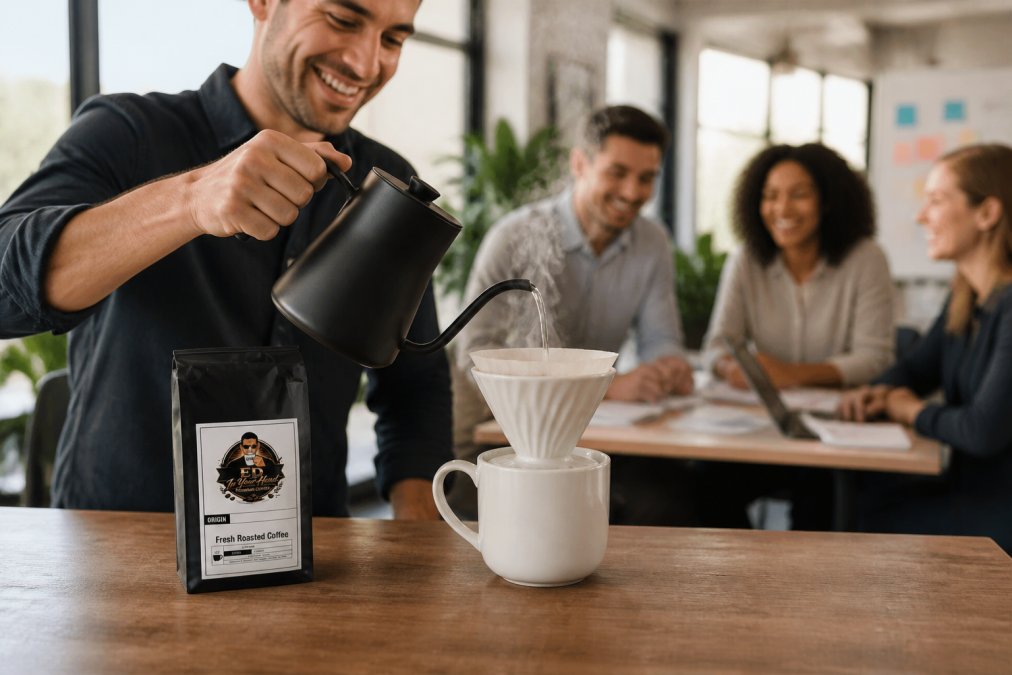
Pour-over, drip machines with paper filters, and Aeropress all use paper filtration. They're your best bet for steady, jitter-free focus. The downside is minimal flavor complexity compared to other methods, but for professionals prioritizing performance over taste, this is the right trade-off.
Espresso and Moka pot brewing create higher caffeine concentration in a smaller volume. This can be useful if you want a quick, intense dose, but it also increases the risk of jitters if you're caffeine-sensitive. The extraction is fast and aggressive, which pulls more of the compounds that trigger anxiety.
French press and Turkish coffee use immersion brewing, the grounds sit in water for 4+ minutes. This extracts maximum flavor and also maximum diterpenes. You get a richer taste, but also a higher jitter risk. If you use these methods, accept that you're trading performance for flavor.
The best approach for professionals is a simple paper-filter drip setup or pour-over. Consistent, clean, predictable. Pair it with fresh-roasted beans and filtered water, and you've optimized the brewing variable.
| Brewing Method | Caffeine Level | Jitter Risk | Best For |
|---|---|---|---|
| Paper Filter Drip | Medium | Low | Professionals seeking steady focus |
| Pour-Over | Medium | Low | Quality-conscious performance drinkers |
| Espresso | High (concentrated) | Medium-High | Quick, intense doses |
| French Press | Medium | High | Flavor prioritization over performance |
| Aeropress | Medium | Low | Convenience and clean extraction |
Building Your Healthy Coffee Routine
A sustainable healthy coffee routine has three components: consistency, timing, and quality.
Consistency means drinking coffee at the same time each day. Your body adapts to this rhythm. Morning coffee at 9:30 AM becomes a reliable trigger for focus. Your system learns to expect it, and the cognitive lift compounds over time. Sporadic coffee consumption is less effective, your body doesn't build the same adaptation.
Timing, as discussed, means respecting your circadian rhythm and caffeine half-life. 9:30 AM to 12:00 PM for the first dose. 2:00 PM to 3:00 PM for a second dose if needed. Nothing after 3 PM. This simple rule eliminates most sleep issues and maximizes the performance benefit.
Quality is where Ed In Your Head's approach stands out. Fresh-roasted specialty coffee, roasted the day it ships, is non-negotiable. It's the difference between adequate and excellent. Whether you choose our Coffee with Mushrooms Dark Roast or Coffee with Mushrooms Medium Roast for added focus support, you're starting with beans at peak potency. You can also try our Breakfast Blend + (Extra Caffeine) for $25.99.


The Coffee with Mushrooms blends, available in dark and medium roasts, combine fresh-roasted specialty coffee with Lion's Mane, Cordyceps, and Reishi. These medicinal mushrooms are traditionally valued for supporting clarity, stamina, and balanced alertness. Paired with premium coffee, they create a comprehensive focus tool.
For professionals who need maximum convenience, our Instant Coffee with Mushroom provides the same benefits in a single-serve format for $25.00. It's not as nuanced as whole bean, but it's genuinely fresh, roasted, processed, and packaged to preserve the compounds that matter.

Start here: pick a time (9:30 AM works for most people), choose your coffee, whether it's a standard blend or our mushroom-enhanced option, and commit to it for two weeks. You'll notice the difference in focus clarity and energy stability. From there, you can experiment with a second dose in the afternoon or adjust based on your schedule.
Conclusion
Healthy coffee for busy professionals isn't about trendy ingredients or expensive equipment. It's about three fundamentals: fresh beans, clean brewing, and strategic timing. When you get these right, coffee becomes a reliable performance tool instead of a gamble.
The difference between stale commodity coffee and fresh-roasted specialty coffee is measurable, in sustained focus, in the absence of jitters, in sleep quality that night. Ed In Your Head's approach of roasting to order and shipping the same day preserves the compounds that actually support your performance. Whether you're grinding through a project deadline, managing a gaming tournament, or just trying to stay sharp through an afternoon of meetings, starting with coffee that's built for performance changes everything.
Find your fuel with Ed In Your Head. Our fresh-roasted specialty blends and mushroom-enhanced options are designed for professionals who demand steady, clean energy. Learn more about how specialty coffee supports cognitive performance
=== FAQ ANSWERS (audit these too, same rules) ===
[1] Q: What makes specialty-grade coffee healthier than regular coffee? A: Specialty-grade coffee is roasted fresh and sourced from higher-quality beans. Fresh roasting preserves polyphenols and chlorogenic acid, antioxidants that degrade over time. When coffee sits on shelves for months, these beneficial compounds break down. Fresh-roasted beans also allow you to control brewing methods that reduce diterpenes (cafestol and kahweol), compounds that can spike cholesterol. The combination of freshness and proper brewing makes specialty coffee deliver sustained energy without the crash.
[2] Q: How does healthy coffee for busy professionals differ from energy drinks? A: Energy drinks rely on high sugar, artificial sweeteners, and synthetic stimulants that trigger rapid spikes and crashes. Clean coffee delivers caffeine through a natural source with antioxidants and polyphenols that slow caffeine absorption, creating steady energy. Unlike energy drinks, quality coffee doesn't cause jitters because it lacks artificial additives and allows your body to metabolize caffeine gradually. For professionals needing 6+ hours of focus, coffee provides bioavailable caffeine without the mid-afternoon energy crash that sugar-based drinks cause.
[3] Q: What's the best time to drink coffee to avoid disrupting sleep? A: Caffeine has a half-life of 5-6 hours, meaning half the caffeine is still in your system 5-6 hours after consumption. To protect your sleep, stop drinking coffee by 2-3 PM. Your cortisol levels naturally rise in early morning (6-9 AM) and early afternoon (12-1 PM), so coffee during these windows aligns with your circadian rhythm rather than fighting it. Drinking coffee between these peaks maximizes focus without interfering with sleep onset at night.
[4] Q: Can fresh-roasted coffee really prevent jitters? A: Yes, when combined with the right brewing method. Fresh-roasted beans have higher bioavailability of beneficial compounds, allowing slower caffeine absorption. Using a paper filter removes diterpenes and kahweol, compounds that increase anxiety and jitters. The roast date matters: beans roasted the day they ship deliver maximum antioxidants and smoother caffeine delivery compared to coffee that's been sitting in bags for weeks.
Frequently Asked Questions
Q: What makes specialty-grade coffee healthier than regular coffee?
A: Specialty-grade coffee is roasted fresh and sourced from higher-quality beans. Fresh roasting preserves polyphenols and chlorogenic acid, antioxidants that degrade over time. When coffee sits on shelves for months, these beneficial compounds break down. Fresh-roasted beans also allow you to control brewing methods that reduce diterpenes (cafestol and kahweol), compounds that can spike cholesterol. The combination of freshness and proper brewing makes specialty coffee deliver sustained energy without the crash.
Q: How does healthy coffee for busy professionals differ from energy drinks?
A: Energy drinks rely on high sugar, artificial sweeteners, and synthetic stimulants that trigger rapid spikes and crashes. Clean coffee delivers caffeine through a natural source with antioxidants and polyphenols that slow caffeine absorption, creating steady energy. Unlike energy drinks, quality coffee doesn't cause jitters because it lacks artificial additives and allows your body to metabolize caffeine gradually. For professionals needing 6+ hours of focus, coffee provides bioavailable caffeine without the mid-afternoon energy crash that sugar-based drinks cause.
Q: What's the best time to drink coffee to avoid disrupting sleep?
A: Caffeine has a half-life of 5-6 hours, meaning half the caffeine is still in your system 5-6 hours after consumption. To protect your sleep, stop drinking coffee by 2-3 PM. Your cortisol levels naturally rise in early morning (6-9 AM) and early afternoon (12-1 PM), so coffee during these windows aligns with your circadian rhythm rather than fighting it. Drinking coffee between these peaks maximizes focus without interfering with sleep onset at night.
Q: Can fresh-roasted coffee really prevent jitters?
A: Yes, when combined with the right brewing method. Fresh-roasted beans have higher bioavailability of beneficial compounds, allowing slower caffeine absorption. Using a paper filter removes diterpenes and kahweol, compounds that increase anxiety and jitters. The roast date matters: beans roasted the day they ship deliver maximum antioxidants and smoother caffeine delivery compared to coffee that's been sitting in bags for weeks.
This article was written using GrandRanker