


Table of Contents
- Strong Coffee Co vs Long Run Coffee: Quick Comparison
- What Is Performance Coffee and How Does It Differ from Regular Coffee?
- Caffeine Content and Absorption: How Strong Coffee Co and Long Run Coffee Stack Up
- Clean Pre Workout Coffee Alternative: Ingredients Beyond Caffeine
- Electrolyte Infused Coffee Benefits for Endurance and Recovery
- Cost Per Serving and Freshness: What You Actually Pay For
- Which One Should You Pick?
- Frequently Asked Questions
Last Updated: September 26, 2026
Strong Coffee Co vs Long Run Coffee: Quick Comparison
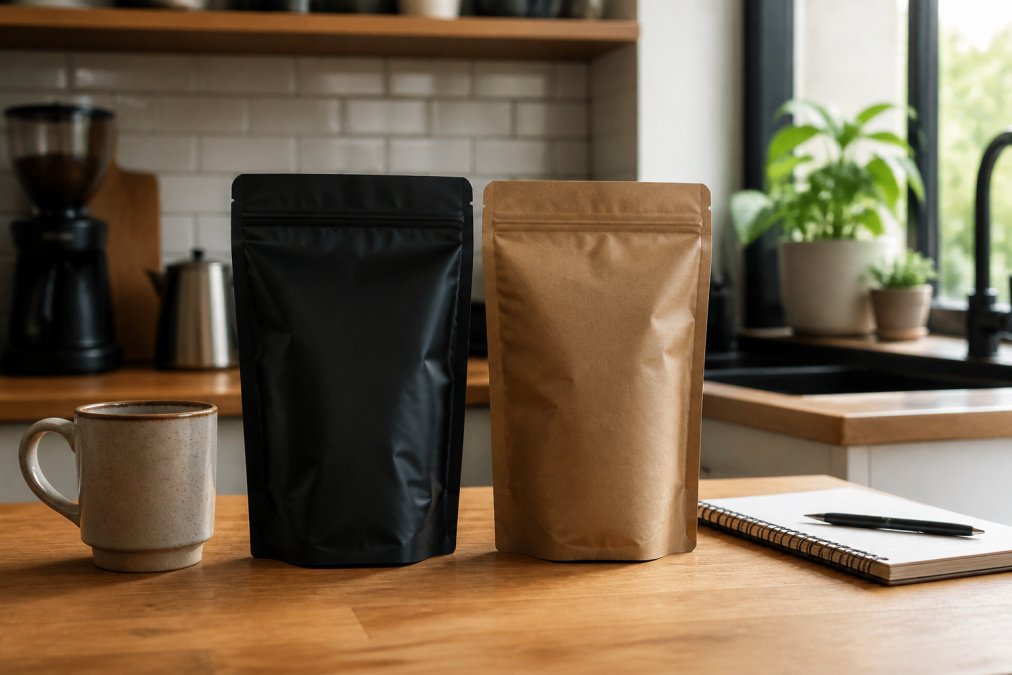
If you have spent any time searching for a strong coffee that actually fuels performance instead of just tasting bitter, you have probably run into this exact matchup. The short answer: Strong Coffee Co leans on bold, high-caffeine blends built for intensity, while Long Run Coffee positions itself around runners and endurance athletes. Neither is a perfect fit for every athlete, gamer, or busy professional, which is why this comparison from Ed In Your Head breaks down caffeine, ingredients, absorption, and real cost per cup before you spend a dollar.
| Factor | Strong Coffee Co | Long Run Coffee |
|---|---|---|
| Positioning | Bold, high-intensity roasts | Endurance and running focus |
| Caffeine approach | Heavier roast profiles | Run-day energy positioning |
| Ingredient transparency | Varies by blend | Varies by blend |
| Best for | Punchy flavor, fast lift | Runners, longer sessions |
| Cost per serving | Depends on bag size and dose | Depends on bag size and dose |
What Is Performance Coffee and How Does It Differ from Regular Coffee?
Performance coffee is coffee formulated and marketed around a specific physical or mental output, usually sustained energy, focus, or endurance, rather than around flavor alone. It often means higher caffeine content, added electrolytes, or a blend chosen to smooth out the caffeine curve.
Caffeine Content and Absorption: How Strong Coffee Co and Long Run Coffee Stack Up
Caffeine content is the first number to check, and it is the one most brands bury. A standard 8-ounce cup of brewed arabica coffee lands somewhere in the 95 to 165 mg range depending on roast, grind, and brew method. Robusta beans carry roughly double the caffeine of arabica by weight, which is why blends that include robusta can deliver a bigger lift without simply roasting darker.
The Variable Most Comparisons Ignore: Your CYP1A2 Gene
Caffeine is metabolized primarily by an enzyme called CYP1A2, coded by the gene of the same name (Unraveling the complexities of caffeine: metabolism, genetics, evolution, and health). Roughly half the population carries a variant that makes them a "fast metabolizer", caffeine clears quickly, the lift is short, and the crash arrives sooner. The other half are slow metabolizers: the same dose lingers, sleep gets wrecked, and the jitteriness compounds.
How Caffeine Actually Works (and Why Timing Beats Strength)
Caffeine blocks adenosine receptors in the brain (pubmed.ncbi.nlm.nih.gov). Adenosine accumulates through the day and creates the feeling of sleepiness; caffeine occupies the receptor without activating it, so you feel alert. It also raises cortisol and can push heart rate variability in the wrong direction if you stack too much. That is the mechanism behind the jitters, the mid-session crash, and the sleep disruption that shows up hours later.
- Fast onset, short session: smaller dose (roughly 1-2 mg per kg of body weight), drink 20-30 minutes before
- Long session: split your intake into two smaller doses instead of front-loading
- Sensitive to jitteriness: lower dose, add food, avoid stacking with other stimulants
- Slow metabolizer: shift your last cup earlier in the day, or you will pay for it at bedtime
Clean Pre Workout Coffee Alternative: Ingredients Beyond Caffeine
A clean pre workout coffee alternative is coffee used in place of a powdered pre-workout or energy drink, chosen for what it does not contain: added sugar, artificial colors, artificial sweeteners, and unlabeled stimulant blends. That is the entire appeal, and it is also the part most comparisons gloss over.
What Is Actually in a Typical Energy Drink or Pre-Workout
Walk down any convenience aisle and the label reads like a chemistry set. Common ingredients you will find:
- Artificial sweeteners: sucralose, acesulfame potassium (Ace-K), aspartame. These replace sugar but are not "clean" in any meaningful sense, they are synthetic molecules engineered for sweetness.
- Artificial dyes: Red 40, Yellow 5, Yellow 6, Blue 1. These exist for color, not function, and several carry warning-label requirements in some jurisdictions.
- Sugar: a 16-ounce energy drink can carry 50+ grams of added sugar, more than the American Heart Association's recommended daily limit for most adults.
- Proprietary blends: a single line on the label listing caffeine, taurine, guarana, and other stimulants without disclosing how much of each. You cannot dose what you cannot measure.
- Taurine, beta-alanine, and other additives: these have legitimate uses, but they also come with tingling, flushing, and GI side effects that many athletes would rather skip before a run.
The Trade-Off You Are Actually Making
A clean coffee alternative gives you fewer levers to pull. No pump agents, no beta-alanine tingles, no added electrolytes unless the brand includes them. What you gain is predictability: a known caffeine dose, a known ingredient list, and a known onset curve. For most athletes, gamers, and professionals, predictability matters more than the marginal edge a proprietary blend claims to offer.
What "Clean" Should Mean on a Coffee Bag
Not every coffee brand earns the label. When you are comparing bags, check for:
- Zero added sugar and zero artificial sweeteners. If the bag lists sucralose or Ace-K, it is not a clean alternative, it is a flavored drink in coffee clothing.
- No artificial colors or flavors. Coffee does not need them.
- Stated caffeine per serving. A number, not a vibe.
- A roast date, not just a best-by date. Freshness is the single biggest quality lever a roaster controls, and stale coffee tastes flat regardless of origin.
- Transparent sourcing and roast profile. You should be able to tell whether the blend leans arabica, robusta, or a mix.
Electrolyte Infused Coffee Benefits for Endurance and Recovery
Electrolyte infused coffee benefits come down to one thing: replacing what you lose through sweat while you also take in caffeine. Sodium, potassium, and magnesium support muscle function and fluid balance, and caffeine's mild diuretic effect makes that replacement more useful, not less.
- Pre-session: caffeine plus light electrolytes, 20-40 minutes out
- During long sessions: electrolytes matter more than more caffeine
- Post-session: food first, coffee as a bonus, not a replacement
Cost Per Serving and Freshness: What You Actually Pay For
Cost per serving is where the comparison gets uncomfortable, because bag price tells you almost nothing. What matters is grams of coffee per bag divided by grams per dose.
| Your Priority | What to Check | Why It Matters |
|---|---|---|
| Lowest cost per cup | Grams per bag ÷ grams per dose | Bag price alone is misleading |
| Peak flavor | Roast date, not best-by date | Coffee fades within weeks |
| Consistent caffeine | Stated caffeine or robusta content | Roast color tells you nothing |
| Clean label | Added sugar, artificial additives | Fewer variables, fewer crashes |
Which One Should You Pick?
Pick based on the job, not the label. If you want a punchy, high-caffeine cup for short, intense sessions, a bold high-caffeine blend is the right tool. If you are logging long miles and want something built around endurance, a runner-focused brand fits that use case.
Frequently Asked Questions
Does strong coffee have more caffeine than regular coffee?
It depends on the bean and roast. Robusta beans naturally contain roughly twice the caffeine of arabica, so blends that include robusta, like the Max Caf Blend, deliver more caffeine per scoop than a standard arabica breakfast blend. A strong coffee's caffeine content comes down to the bean type, the roast level, and how much you scoop, not the word 'strong' on the bag.
What is the difference between performance coffee and regular coffee?
Performance coffee is built around a specific outcome: steady energy without the crash. That usually means higher-caffeine bean blends, no added sugar, and sometimes added electrolytes or other functional ingredients. Regular coffee is roasted and blended for flavor first. The practical difference shows up in how long the energy lasts and whether you get jittery or hit a wall an hour later.
Is a clean pre workout coffee alternative effective for pre-workout energy?
Yes, if the caffeine dose and timing are right. Coffee is an ergogenic aid for endurance performance, and a clean pre workout coffee alternative avoids the sugar and artificial additives found in many traditional pre-workout powders. Drink it 30 to 60 minutes before training so caffeine peaks when you need it. Individual metabolic variability means the exact window shifts from person to person.
What are the benefits of electrolyte infused coffee?
Electrolyte infused coffee benefits come down to hydration and mineral balance. Caffeine has a mild diuretic effect, and sweating during training depletes sodium, potassium, and magnesium. Adding electrolytes to your coffee helps offset that loss and supports muscle function and electrolyte balance. It is a practical option for athletes who drink coffee before or after long sessions rather than reaching for a separate sports drink.
Are there side effects to drinking performance coffee?
The main risks are the same as any caffeinated drink: jitteriness, elevated heart rate variability, acid reflux, and disrupted sleep if you drink it too late. Caffeine has a half-life of roughly five hours, so a cup at 4 p.m. still has a quarter of its caffeine in your system at 2 a.m. People who are sensitive to stimulants should start with a smaller dose and avoid drinking it within six hours of bedtime.
Choosing between Strong Coffee Co and Long Run Coffee comes down to whether your sessions are short and intense or long and grinding, and neither brand solves the freshness and label questions for you. Ed In Your Head roasts fresh for every order, keeps added sugar at zero, and builds blends like Max Caf and Breakfast Blend + for clean caffeine without the jitters or the crash. Find your fuel with Ed In Your Head and get a cup that works as hard as you do.