


Table of Contents
- What Makes Coffee 'Specialty'? The 80-Point Standard
- Specialty Coffee vs Commercial Coffee: The Real Differences
- The Benefits of Fresh Roasted Coffee You Actually Feel
- Cost Per Cup: Is Specialty Coffee Worth the Price?
- How to Identify Specialty Grade Beans Before You Buy
- The Learning Curve: What Nobody Tells You About Switching
- Storage, Shelf Life, and the Freshness Reality
- Conclusion: Who Should Make the Switch
- Frequently Asked Questions
Last Updated: September 14, 2026
What Makes Coffee 'Specialty'? The 80-Point Standard
Specialty coffee is coffee that scores 80 points or higher on the 100-point scale used by licensed graders, known as Q Graders (Standards). That single number separates it from the commodity coffee most people drink, and it is the foundation of everything that follows . This guide from Ed In Your Head breaks down whether the upgrade is worth your money.
The scoring happens through a process called cupping, where trained graders evaluate aroma, flavor, acidity, body, balance, sweetness, and cleanliness of the cup. Beans scoring below 80 are classified as commodity grade. The scale is administered by the Specialty Coffee Association, which sets the standards for what qualifies as specialty.
A few structural facts decide the score before a grader ever tastes anything:
- Arabica vs. robusta: Specialty coffee is almost always arabica, grown at higher altitudes where slower cherry development concentrates sugars and flavor.
- Bean density and altitude: Denser beans from high-altitude farms generally cup higher because they develop more complex acids and sugars.
- Processing method: Washed, natural, and honey processes each shape the final flavor profile differently.
- Defect count: Even a few full defects per sample can knock a lot off the score.
That last point matters more than most buyers realize. A single moldy bean or insect-damaged cherry can tank an otherwise excellent lot.
Specialty Coffee vs Commercial Coffee: The Real Differences
The core difference is traceability. Commodity coffee is blended from anonymous sources to hit a consistent, neutral flavor at low cost. Specialty coffee is traceable to a specific farm, region, altitude, and processing method, and that transparency is what drives the premium price.
Commodity coffee is built for volume. It is roasted dark to mask defects, blended across origins so the flavor stays identical batch to batch, and priced to move. Specialty coffee does the opposite: it highlights the specific character of one origin or one carefully designed blend.
| Factor | Commodity Coffee | Specialty Coffee |
|---|---|---|
| Cupping score | Below 80 | 80 or higher |
| Traceability | Blended, often anonymous | Farm and region specific |
| Roast level | Usually dark | Matched to the bean |
| Flavor goal | Consistent and neutral | Distinct and complex |
| Freshness | Rarely dated | Roast date on the bag |
The practical upshot: you are not just buying better beans. You are buying a supply chain with quality control at every step, from farm to roaster.
The Benefits of Fresh Roasted Coffee You Actually Feel
Fresh roasted coffee delivers its flavor compounds intact, and those compounds degrade quickly after roasting. Coffee begins losing aromatic oils and developing oxidation within weeks of roasting, which is why roast date matters more than almost any other label detail (Changes in sensory quality characteristics of coffee during storage).
The benefits of fresh roasted coffee go beyond taste. A properly roasted, freshly dated bean produces a cleaner extraction, which many drinkers describe as a smoother, less bitter cup. Stale coffee often tastes flat or papery because the volatile compounds that create flavor notes have already broken down.
For anyone switching from energy drinks, the difference is noticeable in how the caffeine feels. Coffee's caffeine arrives alongside the bean's natural compounds rather than the added sugars and synthetic additives in a typical energy drink. Many people find that a clean cup delivers steady alertness without the sharp spike and crash.
Cost Per Cup: Is Specialty Coffee Worth the Price?
The honest answer requires actual math, not vibes. Most articles wave at "it's cheaper than a café" and move on. Here is the breakdown that settles the argument.
Start with dose. A standard home brew uses roughly 15 to 18 grams of coffee per 12-ounce cup. A 12-ounce bag holds about 340 grams. That works out to roughly 19 to 22 cups per bag at a 16-gram dose, call it 20 cups as a working number.
Now run two bags side by side:
| Grocery bag | Specialty bag | |
|---|---|---|
| Typical bag size | 12 oz | 12 oz |
| Typical price | $8-$12 | $18-$24 |
| Cups per bag (16 g dose) | ~20 | ~20 |
| Cost per cup | ~$0.40-$0.60 | ~$0.90-$1.20 |
The gap is real: roughly 50 to 70 cents more per cup. That is the entire premium. It is not a doubling of your coffee budget in absolute terms, it is about half a dollar per serving.
Compare that to the alternative most people actually pay. A café drip coffee runs $2.50 to $4.00 in most markets. A specialty latte runs $5 to $7. Brewing specialty beans at home lands you at roughly a quarter to a third of the café drip price and a small fraction of a latte. Even at the top of the specialty range, you are still beating the café by a wide margin.
So the real comparison is not specialty versus grocery. It is specialty-at-home versus whatever you are buying out of the house. If you currently buy two café coffees a week at $4 each, that is roughly $416 a year. Twenty cups a week of home-brewed specialty at $1.05 per cup is about $1,092 a year, but that replaces 20 café trips, which would have cost far more. The premium only looks expensive in isolation.
What the extra 50 to 70 cents per cup actually buys:
- Quality control at the farm, mill, and roastery, defects sorted out before they reach you
- Traceability through direct trade or fair trade relationships, so more of the price reaches the producer
- Freshness, since specialty roasters roast to order rather than to inventory
- Flavor complexity that commodity beans are blended specifically to avoid
For a specialty roaster like Ed In Your Head, freshness is the whole point. Every order is roasted the day it ships, so the roast date on your bag is essentially the ship date. That is the value proposition: you are not paying for a name, you are paying for a bean that has not spent months in a warehouse.
How to Identify Specialty Grade Beans Before You Buy
You can spot specialty grade beans before you ever brew them by checking four things on the bag: the roast date, the origin, the processing method, and the cupping score or grade claim. If a bag is missing most of that information, it is probably not specialty.
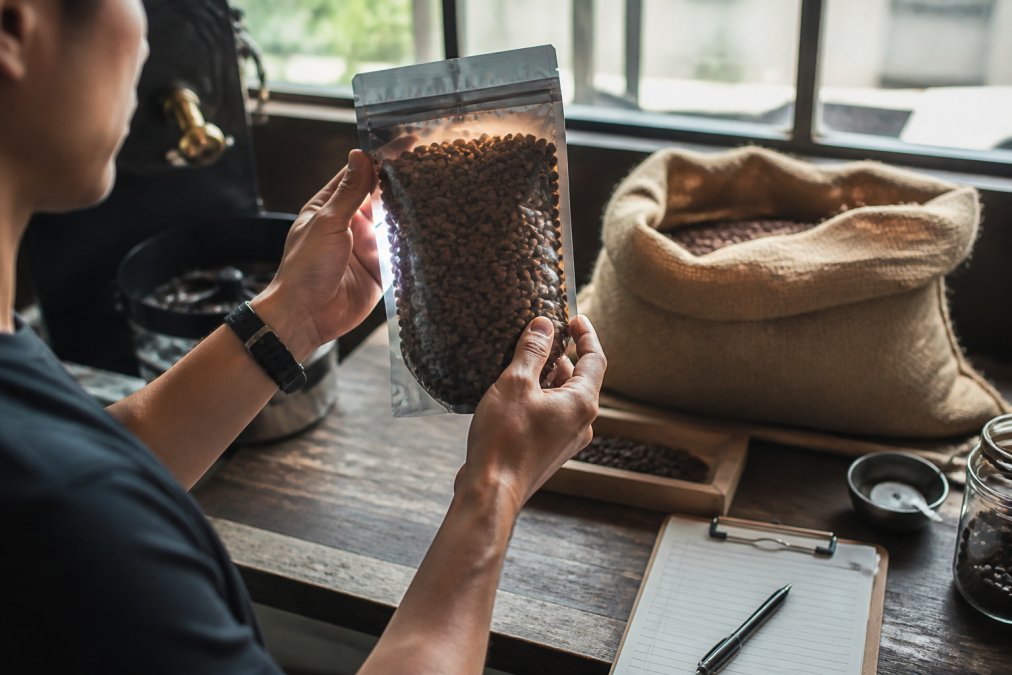
Start with the roast date. It should be printed, not a vague "best by" stamp. Next, look for a specific origin: a country, a region, a farm, or a cooperative. Single-origin beans tell you exactly what you are drinking, while a generic "house blend" tells you almost nothing.
Then check the processing method. Washed, natural, and honey processes each produce distinct flavor notes, and a roaster proud of their beans will list them. Finally, look for a grade claim or cupping score. Not every roaster prints the number, but the ones who do are usually the ones who earned it.
The Learning Curve: What Nobody Tells You About Switching
Switching to specialty coffee comes with a learning curve that most guides skip entirely. The beans are not harder to brew, but they are less forgiving of bad technique, because there are no dark-roast flavors masking mistakes. A dark commodity roast tastes roughly the same whether you nail it or fumble it. A light-roasted single origin does not.

Here is the realistic version of what the first two weeks look like.
Week one: the sour cup. The most common first result is a cup that tastes thin, sharp, or sour, like lemon water with a coffee aftertaste. This is under-extraction. The water moved through the grounds too fast and pulled mostly acids without the sugars and body that balance them. The cause is almost always grind size that is too coarse for a light roast, or water that is not hot enough.
Week two: the bitter cup. Overcorrect and you swing the other way. Now the cup tastes harsh, drying, or ashy. That is over-extraction, too fine a grind, too hot a water, or too long a contact time. The fix is to back off one variable at a time.
The dial-in sequence that works:
- Change one variable per brew. If you adjust grind and temperature at the same time, you learn nothing about which one helped.
- Grind size first. Lighter roasts usually need a finer grind than dark roasts to extract fully. Go one notch finer, brew, taste, repeat.
- Water temperature second. Aim for roughly 195-205°F for light roasts and slightly cooler for dark (How Hot is Hot Enough? Brew Temperature, Sensory Profile, and Consumer Acceptance of...). If your kettle has no thermometer, let it rest 30 seconds off boil.
- Ratio third. Start around 1:15 to 1:16 coffee to water by weight and adjust to taste. A kitchen scale matters more here than any other tool.
- Patience throughout. Give yourself five to eight brews before you judge the bean. The first cup is rarely the best one.
A common pattern is that people quit during week one, conclude specialty coffee is overhyped, and never find out that the bean was fine and the grind was wrong. The bean did not fail. The method did.
If that sounds like more effort than you want, there is a faster way to settle the question: a blind taste test. Brew a specialty bean and a commodity bean side by side, cover the cups, and taste without knowing which is which. Most people pick the specialty cup, but the real value is that you learn your own preference instead of trusting a label. If you cannot tell them apart even when you try, you have your answer, and you saved yourself the effort.
Storage, Shelf Life, and the Freshness Reality
Freshness is a clock, not a switch. Whole beans stay near their peak for roughly two to four weeks after the roast date, then decline gradually. Ground coffee loses its aromatic compounds far faster, often within days, because the increased surface area speeds up oxidation.
Storage and shelf life are where a lot of good coffee goes to waste. The four enemies are oxygen, heat, light, and moisture. Keep beans in an airtight, opaque container at room temperature, away from the stove and the window. Skip the fridge, where moisture and odors migrate into the beans.
Freezing works if you do it right. Portion beans into airtight bags, freeze them before the peak window closes, and grind from frozen. Do not thaw and refreeze repeatedly.
Conclusion: Who Should Make the Switch
The answer to whether specialty coffee is worth it depends less on your budget and more on how you drink coffee. If you brew at home most days and care about flavor, the cost-per-cup math usually favors specialty. If you grab a gas-station cup out of pure habit and never notice the difference, the premium is wasted on you.
For athletes, gamers, and busy professionals who want clean caffeine without the sugar crash of an energy drink, fresh-roasted specialty coffee is the more sensible fuel. That is exactly the gap Ed In Your Head was built to fill: athletic trainer-owned, roasted the day it ships, with zero added sugar and a smooth, steady lift instead of a spike.
If you have been on the fence, start small. Grab a Single Origin Favorites Sample Pack at $27.00 and run your own blind taste test against your usual bag. Or go with the Best Sellers Sample Pack at $27.00 for 24+ cups across six blends. If you want something with a little more character, the Whiskey Barrel Aged at $25.99 is aged 30 days in a bourbon barrel and roasted to order.


The learning curve is real, but it is short. Find your fuel with Ed In Your Head and taste the difference a fresh roast date makes.
Frequently Asked Questions
Is specialty coffee actually healthier than regular coffee?
Specialty coffee isn't a different beverage, but its quality and processing set it apart. Because specialty beans are graded for defects and roasted fresh, they often contain higher levels of antioxidants and less mold or chaff than commodity coffee. The real health advantage comes from what you don't add: no sugar, no artificial creamers, and no synthetic ingredients. If you're switching from energy drinks, the difference is even bigger. You get clean caffeine without the crash or jitters.
What is the difference between specialty coffee and commercial coffee?
Commercial coffee is graded below 80 points on the Specialty Coffee Association scale and often includes defects, stale beans, or robusta filler. Specialty coffee scores 80+ and is traceable to a single origin or specific farm. Commercial coffee is roasted for shelf stability and sold in bulk; specialty coffee is roasted to order and shipped within days. The result is a fresher cup with more complex flavor notes and less bitterness. You also get transparency about where the beans came from.
How do I know if a bag of coffee is truly specialty grade?
Look for three things on the label: a cupping score of 80 or higher, a specific roast date (not just a 'best by' date), and traceability to a farm, cooperative, or region. Single-origin beans with named processing methods like washed or natural are strong indicators. If the bag says 'gourmet' or 'premium' without a score or origin, it's likely commodity coffee in nicer packaging. Freshness matters too. Beans roasted within the last two weeks will taste noticeably better than anything sitting on a grocery shelf for months.
Is it worth buying expensive coffee beans for home brewing?
It depends on how you brew and how often you drink. A $27 sample pack from Ed In Your Head gives you six 2-ounce bags, enough for 24+ cups. That breaks down to roughly $1.12 per cup, which is still less than a $5 latte. If you drink coffee daily, the cost per cup is lower than most people assume. The bigger question is whether you'll notice the difference. If you brew with a drip machine and load it with sugar and cream, you might not. If you drink black coffee or use a pour-over, the upgrade is obvious.