


Table of Contents
- Coffee Pods vs Whole Bean: Quick Comparison
- Freshness and Flavor Profile: What the Roast Date Actually Means
- Cost Per Cup: Coffee Pods vs Beans Breakdown
- How to Brew Fresh Coffee at Home
- Brewing Consistency and Equipment Requirements
- Environmental Impact and Waste: The Hidden Cost
- Which Option Wins for Your Lifestyle
Last Updated: August 29, 2026
Coffee Pods vs Whole Bean: Quick Comparison
The choice between coffee pods and whole bean comes down to freshness, cost, and control over your brew. Whole bean offers superior freshness and flavor control but requires more effort and equipment. Coffee pods deliver speed and consistency but cost more per cup and generate waste.

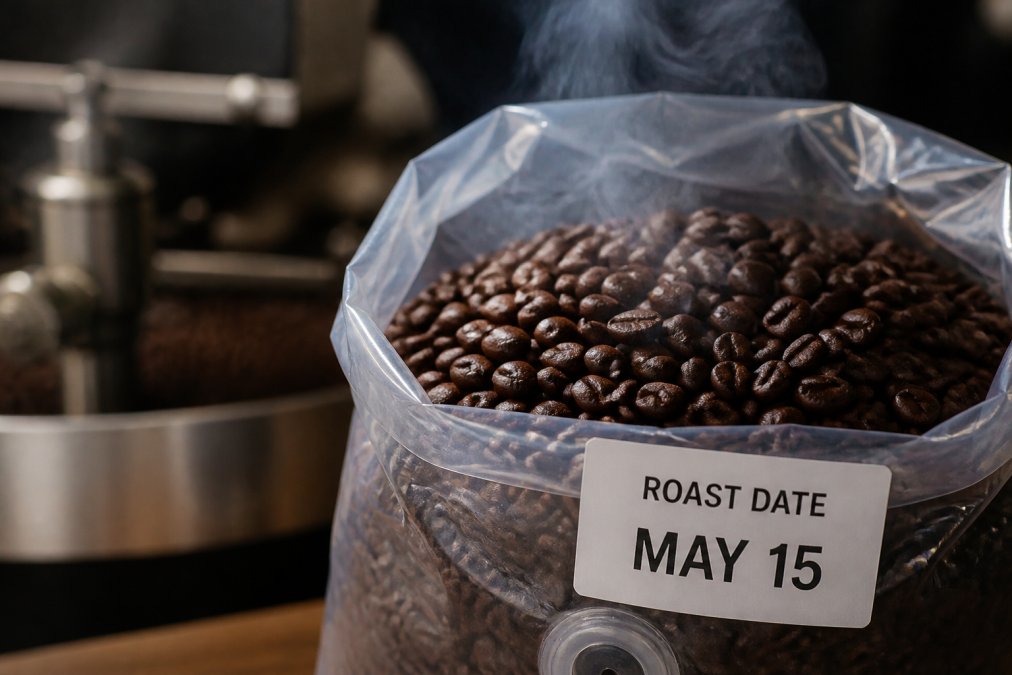
At Ed In Your Head, we roast fresh-roasted specialty coffee the day it ships, whether you choose our signature blends or single origins. Our athletic trainer-owned approach means we've tested both formats extensively with athletes and gamers who demand peak performance without the jitters or sugar crashes that come from artificial energy drinks.
| Factor | Coffee Pods | Whole Bean |
|---|---|---|
| Cost per cup | Higher ($0.80-$1.50) | Lower ($0.30-$0.60) |
| Freshness | Good (sealed, no air) | Excellent (grind fresh) |
| Brew time | 2-3 minutes | 5-10 minutes |
| Equipment needed | Pod machine | Grinder + brewer |
| Customization | Limited | Full control |
| Environmental impact | Waste concerns | Minimal waste |
| Consistency | High | Requires skill |
Your lifestyle determines which trade-offs matter most.
Freshness and Flavor Profile: What the Roast Date Actually Means
Coffee freshness directly impacts extraction yield and aromatic compounds in your cup. Coffee begins losing flavor intensity immediately after roasting as oxidation accelerates.
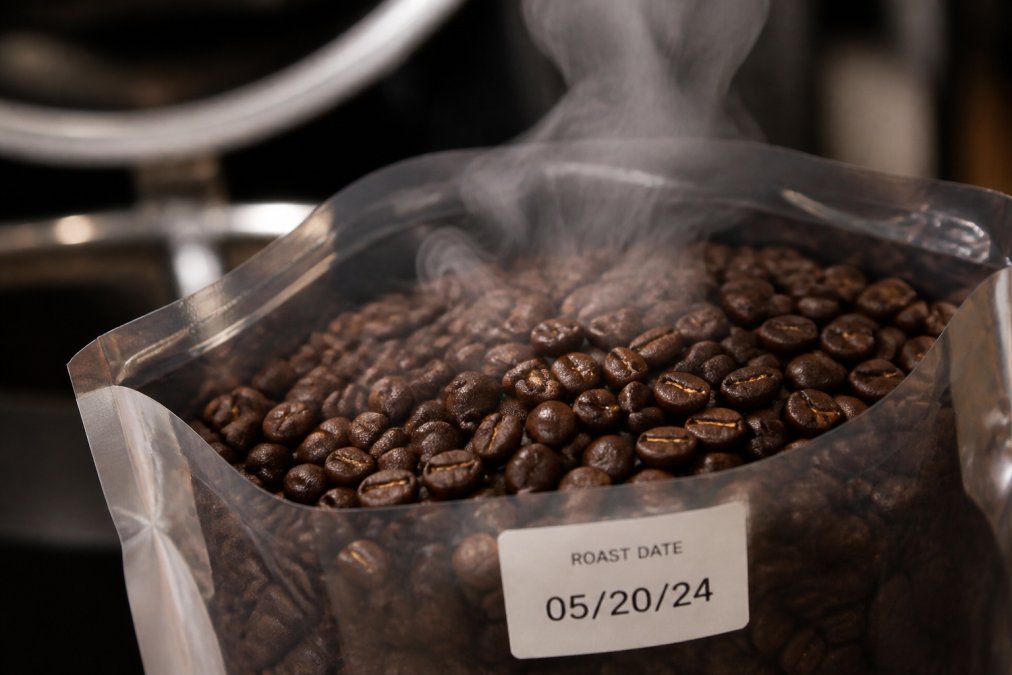
Whole bean coffee maintains its flavor profile for about two weeks after roasting if stored in an airtight container away from light and heat. Grinding beans immediately before brewing captures maximum flavor, as the grinding process exposes fresh surfaces and water extracts volatile compounds while they're still potent.
Coffee pods have an overlooked advantage: they're sealed with no oxygen inside. This airtight seal stops oxidation, meaning a pod roasted three months ago can taste fresher than whole beans sitting open on your counter.
Ed In Your Head roasts fresh for every order, your coffee ships the day it's roasted, whether you choose pods or whole bean. Specialty grade beans like our Peru Coffee Pods or Mexico Coffee Pods have tasting notes, salted caramel, citrus, brown sugar, that fade as oxidation progresses.

Cost Per Cup: Coffee Pods vs Beans Breakdown
Whole bean wins decisively on cost, but the math changes based on equipment you already own.
Whole bean specialty coffee costs roughly $0.30 to $0.60 per cup. A one-pound bag of specialty coffee runs $12-$18 and yields about 16 cups. Ed In Your Head's single origins and blends fall in that range, roughly $0.75-$1.15 per cup for fresh-roasted specialty grade.
Coffee pods cost more: our 60-pack at $59.99 brings the cost to $1.00 per pod.

If you don't already own a grinder and brewer, whole bean requires upfront investment: a decent burr grinder runs $40-$150, and a brewer adds $30-$300. Pods require a compatible machine, but many households already have one.
How to Brew Fresh Coffee at Home
Brewing method determines extraction yield, the percentage of soluble compounds pulled from grounds into water. Optimal extraction is 18-22% of ground coffee's mass; below 18% tastes sour and thin, above 22% tastes bitter and harsh (peer-reviewed research).
Grind Size and Particle Consistency
Grind size controls water contact time and surface area. Burr grinders (conical or flat) produce consistent particle size; blade grinders create uneven extraction. Entry-level burr grinders ($40-$80) produce acceptable consistency.
Grind size targets by method:
- Espresso: Fine, like powdered sugar
- Moka pot or AeroPress: Medium-fine, like table salt
- Drip machine: Medium, like sand
- Pour-over (Chemex, V60, Kalita Wave): Medium, like sand
- French press: Coarse, like breadcrumbs
If your coffee tastes sour, your grind is too coarse (under-extracting). If it tastes bitter, your grind is too fine (over-extracting).
Water Temperature and Its Effect on Extraction
Water temperature controls extraction speed. The target range is 195-205°F because this extracts desirable compounds while minimizing harsh compounds (peer-reviewed research). Water above 210°F over-extracts immediately, pulling bitter compounds. Water below 190°F under-extracts, leaving sour, thin coffee. Let boiling water cool for 30 seconds before pouring.
Brew Time by Method
- Pour-over (V60, Chemex, Kalita Wave): 3-4 minutes total
- Drip machine: 5-8 minutes
- French press: 4-5 minutes
- AeroPress: 1-2 minutes for standard method, 3-4 minutes for inverted method
- Moka pot: 5-10 minutes depending on heat level
Troubleshooting Common Brewing Problems
If your coffee tastes sour: increase brew time by 30 seconds, use a finer grind, or increase water temperature by 5°F.
If your coffee tastes bitter: decrease brew time by 30 seconds, use a coarser grind, or decrease water temperature by 5°F.
If your coffee tastes flat: your beans may be past peak freshness (older than 3 weeks post-roast), or your water may be too cool.
Water Quality Impact on Extraction
Water should ideally have 50-150 parts per million of dissolved minerals (peer-reviewed research). If your tap water is very soft or very hard, a simple water filter pitcher ($20-$40) balances mineral content and improves extraction consistency. Chlorinated tap water can impart off-flavors; use filtered water if your tap water smells like chlorine.
Pod Brewing: Consistency Without Variables
Pod machines handle all variables automatically. Water is heated to the correct temperature, brew time is fixed, and pressure is controlled by the machine. This removes the learning curve, your first cup tastes like your hundredth.
Brewing Consistency and Equipment Requirements
Pod machines deliver identical results every brew. Whole bean requires skill to replicate.
Pod machines are engineered to control brewing variables automatically, meaning your first cup tastes like your hundredth. For busy professionals and athletes who need reliable energy without thinking about it, that's valuable.
Whole bean brewing puts control in your hands, which means consistency depends on your technique. Small variations in grind size, water temperature, or brew time produce noticeably different results.
Equipment also determines convenience. Pod machines are compact and require minimal maintenance beyond occasional descaling. Whole bean setups require a grinder (which needs regular cleaning), a brewer, and potentially a scale or timer.
For athletes and gamers who need consistent energy during long sessions, pod machines eliminate variables. Ed In Your Head's pods deliver smooth, steady energy without the jitters because our roast profile is optimized for clean caffeine extraction without bitter compounds that trigger anxiety.
Environmental Impact and Waste: The Hidden Cost
Environmental impact extends beyond visible waste to material safety, recycling logistics, and chemical leaching.
Pod Materials and Chemical Leaching Concerns
Coffee pods use three primary materials. Aluminum pods are recyclable but energy-intensive to process. Plastic pods (typically polypropylene or polyethylene terephthalate) are technically recyclable but rarely accepted in curbside programs; most end up in landfills. Compostable pods made from plant-based materials require industrial composting facilities operating at 140°F+; home composting does not reach these temperatures.
When hot water (195-205°F) contacts pod materials under pressure, some compounds can migrate into your coffee. Studies show polypropylene and polyethylene terephthalate release trace amounts of compounds including antimony and phthalates when exposed to heat, though at levels typically considered safe by the Food and Drug Administration.
Whole bean coffee eliminates pod material contact entirely. Your only material exposure is the paper or kraft bag and your brewing vessel, typically ceramic, glass, or stainless steel, all inert at brewing temperatures.
Recyclability: What Actually Happens to Your Pods
A pod labeled "recyclable" does not mean your local waste management accepts it. Pod recycling requires specialized sorting because mixed materials must be separated. Most municipal recycling facilities lack this equipment.
To actually recycle pods: (1) Check your municipality's accepted materials list. (2) Search for specialty recyclers using Earth911.com. (3) Contact your pod manufacturer directly; some offer mail-back programs. (4) If no option exists, landfill disposal is the default.
Whole bean coffee generates minimal waste if you have access to composting. Used coffee grounds are nitrogen-rich and break down in 3-6 months in a home compost bin. The bag itself is usually paper or kraft (recyclable in standard curbside programs).
Carbon Footprint: Machines, Transportation, and Energy Use
Pod machines require electricity to heat water; a typical pod machine uses 0.8-1.2 kilowatt-hours per day with regular use. Over a year, that's 292-438 kilowatt-hours, producing roughly 220-330 pounds of CO2 emissions. Manual brewing methods use minimal electricity, only the kettle, typically 0.1-0.2 kilowatt-hours per brew.
A one-pound bag of specialty coffee generates roughly 0.5-1.5 pounds of CO2 in transportation. Pods add manufacturing emissions on top of transportation, typically 0.3-0.8 pounds of CO2 per pod.
Which Option Wins for Your Lifestyle
The right choice depends on what you're optimizing for.
Choose coffee pods if:
- You value convenience and consistency above all else
- You travel frequently or have limited counter space
- You're willing to pay a premium for zero thinking required
- You're new to specialty coffee and want reliable results immediately
- You need sustained focus during long gaming or work sessions
Ed In Your Head's single serve pods deliver this perfectly. Our Original Roast blend is engineered for smooth, steady energy without crashes. The sealed pods maintain freshness, and the improved filter design ensures full extraction. At $1.00 per pod when buying in bulk (60-pack), you're paying for consistency and convenience.
Choose whole bean if:
- You want the freshest possible coffee and are willing to invest time
- You enjoy experimenting with grind size, brew method, and water temperature
- You want to minimize waste and environmental impact
- You're price-sensitive and already own or are willing to buy brewing equipment
- You appreciate the ritual of manual brewing
Whole bean from Ed In Your Head gives you maximum control. Our fresh-roasted specialty beans arrive within days of roasting, capturing peak aromatic compounds and extraction yield. Single origins like Peru and Mexico let you taste the specific characteristics of each region.
Many people don't have to choose. Buy pods for weekday mornings when speed matters. Buy whole bean for weekends when you have time to dial in flavor. Ed In Your Head offers both, so you can optimize for each scenario.
Frequently Asked Questions
Q: Is it cheaper to use coffee beans or K-cups?
A: Whole bean coffee typically costs $0.50-$0.80 per cup when you buy quality specialty beans, while premium coffee pods run $0.90-$1.50 per cup. Budget pods can be cheaper upfront, but specialty whole bean roasted fresh offers better flavor and value. The math shifts if you factor in equipment: a basic grinder and brewer for beans costs $50-$150, while pod machines range $80-$300. Over a year, whole bean often wins if you drink more than 3 cups daily.
Q: What are the main disadvantages of using coffee pods?
A: Coffee pods sacrifice customization, you can't adjust grind size or brew time. Pre-packaged pods suffer flavor degradation faster than whole beans due to oxidation and exposure to air, even in sealed capsules. They generate significant plastic waste; only a small percentage are recyclable. Pods also lock you into specific machine compatibility, limiting your brewing options. For athletes and gamers seeking peak performance, the flavor loss means less aromatic compound extraction, which impacts the quality of your caffeine delivery.
Q: How does oxidation affect the flavor of pre-ground coffee pods?
A: Oxidation breaks down aromatic compounds in coffee, which directly impacts flavor profile and freshness. Even sealed pods experience slow oxidation over time. Whole beans stay stable much longer because their larger surface area exposure is minimal until you grind them. Pre-ground coffee in pods loses volatile compounds within weeks, resulting in flat, muted flavors compared to beans ground fresh before brewing. This is why roast date matters, fresher roasts have more aromatic compounds intact, delivering smoother, cleaner energy without the bitter taste that comes from oxidized coffee.
Q: Does whole bean coffee have more caffeine than pods?
A: Caffeine content is determined by bean origin and roast level, not format. A pod and whole beans from the same origin contain essentially the same caffeine. However, whole beans allow you to control extraction yield through grind size and brew time, which affects how much caffeine actually ends up in your cup. Finer grinds and longer brew times extract more caffeine. Pods use standardized parameters, so extraction is consistent but not optimized for your preference. For sustained focus without jitters, the quality of the roast matters more than format, fresh-roasted beans deliver cleaner caffeine than stale pre-packaged pods.
The decision between coffee pods and whole bean isn't about which is objectively better, it's about matching the format to your lifestyle and priorities. If you need consistent, jitter-free energy during demanding work or gaming sessions, our fresh-roasted pods deliver smooth, steady focus without the crashes that come from artificial energy drinks. FIND YOUR FUEL and choose the format that fits how you actually live.
This article was written using GrandRanker