


Table of Contents
- Quick Comparison: Best Energy Coffee for 2026
- 1. Max Caf Blend: Highest Caffeine Per Cup
- 2. Breakfast Blend +: Extra Caffeine, Everyday Smoothness
- 3. Cowboy Blend: Dark-Meets-Medium for Game Day
- 4. Coffee with Mushrooms: Functional Ingredients for Focus
- 5. Cold Brew Coffee: Low-Acid, Steady Energy
- 6. MVP Pack: The All-in-One Starter Bundle
- High-Caffeine Coffee for Athletes: What to Look For
- Frequently Asked Questions
Last Updated: September 13, 2026
Quick Comparison: Best Energy Coffee for 2026
The best energy coffee for 2026 delivers steady caffeine without the sugar crash of a canned energy drink. At Ed In Your Head, every order is roasted the day it ships: fresh beans brew a smoother cup that's easier to drink before a long session.
Caffeine content still drives the decision. According to the FDA guidance on caffeine and safe daily intake, most healthy adults can consume up to 400 milligrams of caffeine per day without adverse effects, which reframes the whole category. A typical energy drink lands near 160 milligrams in a single 16-ounce can, while an 8-ounce cup of coffee generally runs 95 to 165 milligrams depending on the bean and the brew. The difference is not the number. It is what comes with it.
| Pick | Best For | Caffeine Profile | Price |
|---|---|---|---|
| Max Caf Blend | Highest caffeine per cup | High, Robusta-forward | $25.99 |
| Breakfast Blend + | Everyday smoothness | Extra caffeine, medium roast | $25.99 |
| Cowboy Blend | Game day and early mornings | Dark-medium blend | $25.99 |
| Coffee with Mushrooms | Functional focus | Moderate, adaptogen-infused | $25.00 |
| Cold Brew Coffee | Low-acid, steady energy | Slow-extracted, gentle | $25.99 |
| MVP Pack | Trying everything at once | Six bags, mixed | $69.99 |
How We Evaluated These Blends
We judged each blend on four things: caffeine density per brewed cup, roast profile and how it affects jitteriness, ingredient transparency, and how the coffee performs across a long session rather than a single spike. The USDA FoodData Central database confirms brewed coffee contains negligible calories and no added sugar on its own, so any crash you feel after a coffee drink almost always traces back to what was poured into it. That single fact eliminates most of the category for us.

1. Max Caf Blend: Highest Caffeine Per Cup
Max Caf Blend is the strongest option in the lineup, built from Tanzania and India Robusta beans. Robusta carries roughly double the caffeine of Arabica by weight, so it hits harder than a standard specialty roast.
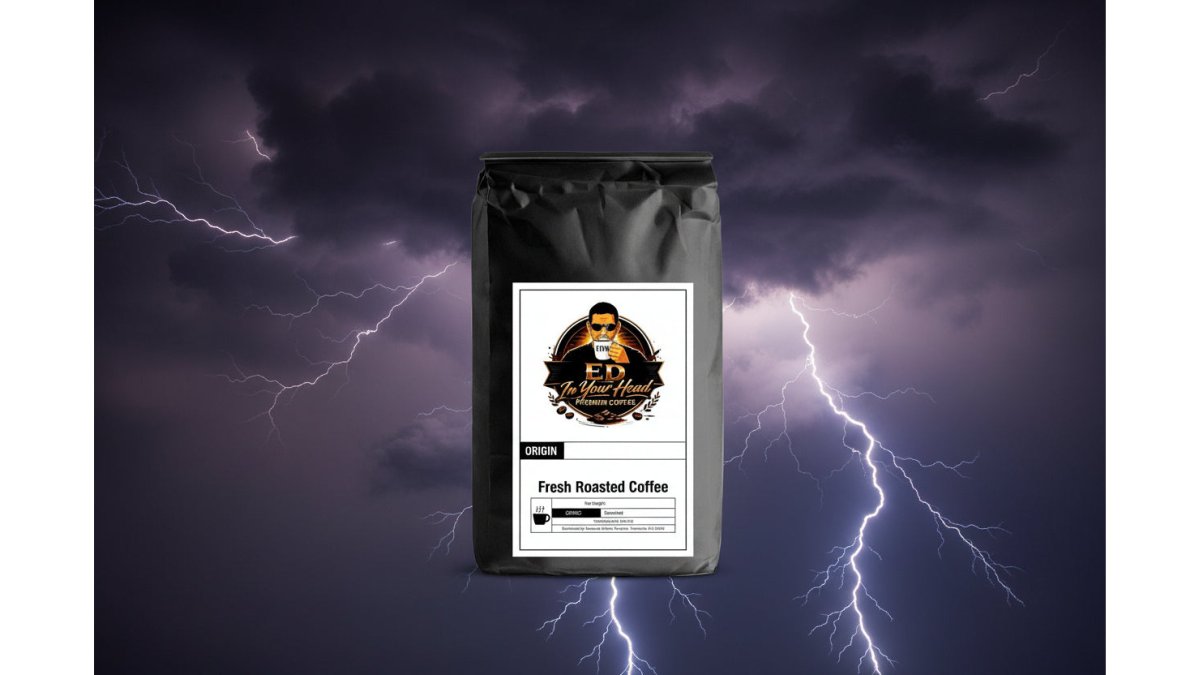
Caffeine density is not the same as crash risk. A high-caffeine coffee sipped over 30 minutes enters your bloodstream gradually, while a canned energy drink is typically finished in five, a pacing difference that explains the gentler landing.
Pros: Highest caffeine per cup in the lineup; Robusta-forward for real punch; roasted fresh for every order Cons: Robusta's flavor is bolder and less delicate than a single-origin Arabica; not the pick if you want a light, tea-like cup
2. Breakfast Blend +: Extra Caffeine, Everyday Smoothness
Breakfast Blend + is a medium roast that adds Robusta to a house breakfast blend for extra caffeine while keeping the cup approachable, more kick than a standard morning coffee without a heavy dark roast.

Caffeine sensitivity varies enormously between people, and the National Library of Medicine overview of caffeine metabolism explains why: genetic differences in how quickly the liver clears caffeine mean two people can drink the same cup and feel completely different effects. Start with one cup and note how you feel at the two-hour mark before adding a second.
Pros: Smooth medium roast; extra caffeine without harshness; works in a standard drip brewer Cons: Less caffeine than Max Caf; the added Robusta slightly mutes the brightness some drinkers expect from a breakfast blend
3. Cowboy Blend: Dark-Meets-Medium for Game Day
Cowboy Blend combines dark and medium roasts in one bag, with cocoa, caramel, and vanilla notes. It is built for moments when you need to power up quickly and stay locked in, game day, early mornings, or a long ranked session.

Flavor matters more than people admit: a cup you enjoy gets finished, and a finished cup is what delivers the caffeine. A bitter cup gets abandoned half-drunk, and no caffeine content saves a drink you will not finish.
Pros: Bold but smooth; layered flavor; available in a 12-pack pod format for convenience Cons: Pods come in standard grind only; the dark component is not for drinkers who prefer light roasts
4. Coffee with Mushrooms: Functional Ingredients for Focus
Coffee with Mushrooms infuses specialty-grade coffee with Lion's Mane, Cordyceps, and Reishi. Lion's Mane is traditionally associated with clarity and focus, Cordyceps with stamina, and Reishi with balance, shifting the cup from pure stimulation toward something more measured.
This addresses a real complaint: caffeine sensitivity. If standard coffee makes you anxious or jittery, the answer is rarely more caffeine, it is a different composition.
Pros: Available in dark roast, medium roast, and instant formats; adaptogen blend; moderate caffeine Cons: Real mushroom powder leaves natural sediment, which surprises some drinkers; the earthy note is not for everyone
5. Cold Brew Coffee: Low-Acid, Steady Energy
Cold Brew Coffee is blended for cold extraction, with coarse grounds and no additives or artificial ingredients. Cold water extracts fewer of the acids that irritate sensitive stomachs, so the cup sits easier than a hot brew of the same strength.
For sustained energy, cold brew has a structural advantage: it is typically sipped slowly over a longer window, which smooths the caffeine curve and reduces the sharp peak-and-drop that sends people reaching for a second drink. Choose the dark French roast for a bolder cup or the medium for chocolate, toffee, and floral notes.
Why cold extraction changes the cup
Hot water is a fast, aggressive solvent that pulls acids, oils, and bitter compounds out of the grounds in minutes, which is why a hot brew can taste sharp and hit your stomach hard. Cold water works slowly over 12 to 18 hours, extracting caffeine and flavor while leaving behind much of the acid. The caffeine still comes through, a cold brew concentrate can be just as strong as a hot cup, but it arrives in a smoother package.
Build your own energy coffee at home
You do not need a canned product to get functional energy coffee, you can build one in your kitchen with the same ingredients the expensive cans use, at a fraction of the cost and with full control over what goes in.
Base recipe (16 ounces):
- Start with 8 ounces of cold brew concentrate made from a coarse-ground, high-caffeine blend.
- Add 6 ounces of cold water or milk to dilute to taste.
- Stir in one to two tablespoons of a functional add-in, see the options below.
- Pour over ice and sip slowly over 30 to 45 minutes.
Functional add-ins and what they do:
- MCT oil or coconut cream, a fat source that slows caffeine absorption and adds a creamy texture without sugar.
- Electrolyte powder, replaces the sodium, potassium, and magnesium that plain water and coffee alone do not deliver, which matters for athletes training in heat.
- Lion's Mane or Cordyceps powder, the same adaptogens used in mushroom coffee, added to your own base for a functional focus blend.
- Cocoa powder, adds flavor and a small amount of naturally occurring theobromine, a gentler stimulant that pairs with caffeine.
- Cinnamon, flavor without sugar, and a common swap for the syrups that drive the crash.
What to leave out: flavored syrups, sweetened creamers, and anything with added sugar. Those are the ingredients that turn a steady-energy drink into a spike-and-crash one.
Make-ahead tips
- Brew a large batch of concentrate on Sunday and keep it in the fridge for the week, it holds for several days.
- Pre-portion your add-ins so a morning drink takes under two minutes to assemble.
- Keep a shaker bottle on hand so you can mix a functional cold brew at the gym or the office instead of buying a canned version.
Pros: Lower acidity; coarse grind built for cold brew; medium and dark options; doubles as a DIY base for functional energy drinks Cons: Requires planning ahead, since cold brew needs hours of steeping; not an instant fix
6. MVP Pack: The All-in-One Starter Bundle
The MVP Pack bundles six 2-ounce bags of the best-selling coffees with a ceramic mug and a tee, priced at $69.99. It is the fastest way to find which blend suits your body and schedule instead of committing to a full bag you might not finish.
The bundle also answers the most common objection: how do you know it will not crash you like an energy drink? You test it. Six smaller bags let you run your own comparison across a week of real sessions.
Pros: Six varieties in one purchase; includes mug and tee; saves versus buying bags separately Cons: Higher upfront cost than a single bag; you may end up with a favorite you have to reorder
High-Caffeine Coffee for Athletes: What to Look For
High-caffeine coffee for athletes should be judged on caffeine per brewed cup, roast freshness, and what is not in the bag. Added sugar and artificial sweeteners are the two ingredients most likely to undermine steady energy, and both are easy to spot on a label.
But the checklist most guides hand you stops at the label. What actually decides whether a cup helps you or wrecks you is how your body clears caffeine.
Match the cup to your caffeine clearance, not the label
The National Library of Medicine overview of caffeine metabolism explains that caffeine is broken down in the liver by an enzyme called CYP1A2, and genetic variation in that enzyme splits people into fast and slow metabolizers. A fast metabolizer can drink a strong cup at 4 p.m. and sleep fine; a slow metabolizer can drink the same cup at noon and still feel wired at midnight. That single difference explains why two athletes on the same team react completely differently to the same blend.
A practical way to personalize without a genetic test:
- Body weight matters for dose. A common rule of thumb in sports nutrition is roughly 3 to 6 milligrams of caffeine per kilogram of body weight for a performance effect. For a 150-pound athlete, that is about 200 to 400 milligrams, one strong cup of Robusta-forward coffee can land you squarely in the effective range, and two cups can push you past it.
- Time your last cup against your sleep, not your workout. Because caffeine has a half-life of roughly five to six hours in most adults, a cup at 3 p.m. still leaves meaningful caffeine in your system at 9 p.m. If you train in the evening, front-load your caffeine earlier in the day.
- Track your two-hour mark. Drink one measured cup, then note how you feel at the two-hour point. Steady focus means you are in range. Jitters, a racing pulse, or a sudden slump mean you overshot your personal ceiling.
The crash is a sugar problem, not a caffeine problem
Most athletes blame caffeine for the afternoon slump, but the crash after a canned energy drink is usually driven by the sugar load. A typical 16-ounce energy drink can carry 50-plus grams of sugar, which spikes blood glucose and then drops it, that drop is the crash. Coffee brewed black has effectively none of that, which is why the same caffeine dose from coffee lands more smoothly.
A short checklist before you buy
- Does the label list caffeine content or at least the bean type, since Robusta runs higher than Arabica?
- Is there a roast date, not just a best-by date?
- Are there zero added sugars and no artificial sweeteners?
- Is the grind matched to your brew method?
- Does the brand disclose third-party testing or sourcing?
How to blunt the crash before it starts
Even clean coffee can produce a dip if you drink it fast and skip the basics. A few habits flatten the curve:
- Hydrate alongside the cup. Caffeine has a mild diuretic effect, and dehydration amplifies the foggy, heavy feeling people mistake for a caffeine crash. A glass of water with every cup is the simplest fix.
- Pair caffeine with protein or fat, not sugar. A handful of nuts or a protein-forward snack slows absorption and steadies the curve. A pastry does the opposite.
- Front-load, then taper. Drink your strongest cup early and shift to a smaller or half-caff cup later rather than stacking full-strength cups into the afternoon.
- Cap your daily total. The FDA guidance on caffeine and safe daily intake puts 400 milligrams per day as the ceiling for most healthy adults. Athletes chasing a performance edge sometimes push past it, and the payoff flattens while the side effects climb.
Frequently Asked Questions
Which coffee gives you the most energy?
Coffee made with Robusta beans delivers the most caffeine per cup. Robusta naturally contains roughly twice the caffeine of Arabica, so a blend built on Tanzania and India Robusta like Max Caf Blend gives you a stronger lift per serving than standard specialty coffee. For the biggest jolt, choose a high-caffeine blend and brew it strong, around 2 tablespoons per 6 ounces of water.
Which coffee provides the most sustained energy without a crash?
Coffee with a steady caffeine release and no added sugar provides the most sustained energy. A medium roast with extra caffeine, like Breakfast Blend +, delivers a smoother curve than a sugary energy drink because it lacks the rapid blood-sugar spike that causes the crash. Pair it with water to stay hydrated and keep the effect even across a long session.
Is high-caffeine coffee better for performance than energy drinks?
For most athletes and gamers, high-caffeine coffee is the better choice. Coffee delivers caffeine without the added sugar, artificial sweeteners, and synthetic stimulants common in energy drinks. That means fewer jitters and no sugar crash. The trade-off is convenience: you brew coffee rather than crack a can, but the cleaner energy profile usually outweighs that.
What are the benefits of fresh-roasted coffee for mental focus?
Fresh-roasted coffee preserves more of the volatile oils and aromatic compounds that give coffee its flavor and lift. Beans roasted the day they ship reach you at peak freshness, so the cup tastes fuller and the caffeine effect feels cleaner. Stale beans lose those oils over time, which flattens both taste and the alertness you get from a good cup.
How do I choose the best coffee for pre-workout energy?
Start with your caffeine tolerance. If you are sensitive, try a medium roast with moderate caffeine, like Breakfast Blend +, about 30 minutes before training. If you need a bigger push, go with a high-caffeine blend like Max Caf Blend. Avoid adding sugar or artificial creamers, and drink water alongside your coffee to support hydration and electrolyte balance during the session.