


Table of Contents
- How Caffeine Affects Athletic Performance
- Caffeine Overdose Symptoms in Athletes
- How Much Caffeine Is Safe for Athletes
- Coffee Before a Workout: Side Effects and Timing
- Heart-Related Risks and Sleep Disruption
- What to Do After Consuming Too Much Caffeine
- Safer Coffee Use for Peak Performance
- Frequently Asked Questions
Last Updated: October 10, 2026
How Caffeine Affects Athletic Performance
What happens if athletes drink too much coffee depends on understanding how caffeine works: it stimulates the central nervous system, increasing alertness and reducing fatigue, which can sharpen focus during competition and improve endurance during training.
A cup of coffee before a workout can deliver legitimate performance gains: better concentration, faster reaction times, and sustained energy without the crash of sugary drinks. Clean caffeine sources provide steady performance without the jitters that derail focus.
But caffeine isn't a free upgrade. Dose, timing, and individual tolerance vary dramatically, the difference between smart use and a workout ruined by heart palpitations or anxiety.
Caffeine Overdose Symptoms in Athletes
Consuming too much caffeine triggers predictable symptoms whose severity depends on dose, consumption speed, and individual sensitivity.
Early signs appear within 30-60 minutes:
- Jitteriness and trembling hands
- Racing thoughts and mental restlessness
- Nausea or upset stomach
- Increased urination
- Diarrhea
These are uncomfortable but usually not dangerous. However, symptoms can escalate quickly with large doses:
- Rapid or irregular heartbeat
- Severe anxiety or panic
- Dizziness or lightheadedness
- Muscle tremors that won't stop
- Difficulty concentrating despite feeling wired
Severe caffeine toxicity can cause fainting when heart rate spikes so high that blood pressure drops suddenly, a medical emergency.
Many athletes push through early jitters, thinking it's the stimulant "kicking in," but by then they're already in the danger zone.
How Much Caffeine Is Safe for Athletes
What happens if athletes drink too much coffee depends entirely on dose, which varies by body weight, age, metabolism, medications, and health conditions. The FDA's 400 mg daily recommendation is a starting point, not a prescription.
Dose Guidelines by Body Weight and Age
Body weight influences caffeine metabolism; a 130-pound athlete and a 200-pound athlete experience different peak concentrations from the same dose.
General guidance by body weight:
- Under 150 pounds: 100-200 mg per session
- 150-200 pounds: 150-300 mg per session
- Over 200 pounds: 200-400 mg per session
Adolescent athletes (under 18) should limit caffeine to 100 mg per day. Developing cardiovascular and nervous systems make teenagers more sensitive; a dose manageable for a 25-year-old can trigger dangerous heart-rate spikes in a 16-year-old. Young athletes often combine sources without tracking totals, multiplying overdose risk.
Individual Variability: Fast and Slow Metabolizers
Genetic differences in the CYP1A2 enzyme determine caffeine processing speed: fast metabolizers clear it in 3-5 hours; slow metabolizers feel effects for 8-10 hours.
Identify your type by consuming 100 mg at noon on a rest day and tracking when peak alertness occurs (30-60 min) and fades. Effects lasting past 6 PM indicate slow metabolism; fading by 3-4 PM indicates fast metabolism.
Slow metabolizers should reduce dose by 25-50% and avoid caffeine after 1 PM. Fast metabolizers tolerate higher doses and later consumption.
Medications and Health Conditions That Increase Risk
Certain medications and conditions amplify caffeine's effects:
Medications that slow caffeine metabolism: oral contraceptives (increase sensitivity 40%), fluoroquinolones, antifungal medications, and some asthma medications.
Conditions that warrant reduced caffeine intake:
- Hypertension or high blood pressure (caffeine can raise BP 5-10 mmHg acutely)
- Arrhythmias or history of irregular heartbeat
- Anxiety disorders (caffeine amplifies symptoms)
- Gastroesophageal reflux disease (GERD)
- Pregnancy or breastfeeding (limit to 200 mg per day, per ACOG guidelines)
- Thyroid disorders (caffeine can interfere with medication absorption)
Consult your physician before increasing caffeine if you take regular medication or have a diagnosed condition. A safe dose for a healthy athlete may be unsafe for those on beta-blockers or with uncontrolled hypertension.
Caffeine Totals Across All Sources
This is where athletes commonly miscalculate. You're not just counting coffee. Caffeine hides in dozens of products.
Track total intake from all sources:
- Brewed coffee (8 oz cup): 95-200 mg
- Espresso (1 shot): 65-100 mg
- Tea (8 oz cup): 25-50 mg
- Energy drinks (12 oz can): 80-300 mg
- Pre-workout supplements: 150-300 mg
- Caffeine gels (single packet): 25-100 mg
- Chocolate (1 oz): 5-30 mg
- Soft drinks (12 oz): 30-50 mg
- Protein bars: 0-50 mg (check label)
An athlete consuming coffee (150 mg), pre-workout (200 mg), and energy drink (200 mg) reaches 550 mg in one session, overdose territory for most, especially those under 180 pounds or with slow metabolism.
Log every caffeinated product and dose; most athletes discover their actual total is 150-200% higher than expected.
Start Low and Increase Gradually
The safest approach is conservative:
- Start with 100-150 mg per session
- Use the same dose for 3-5 training sessions
- Assess your tolerance: focus, energy, jitters, sleep quality
- Increase by 50 mg only if you tolerate the lower dose well
- Never jump from 150 mg to 300 mg in one session
Gradual titration prevents acute symptoms from unexpected high doses. Reassess tolerance every 4-6 weeks; tolerance builds over time.
Coffee Before a Workout: Side Effects and Timing
Timing caffeine consumption changes everything. Drinking coffee 30 minutes before a workout feels different than drinking it 90 minutes before.
Caffeine Timing Before Exercise
Caffeine peaks 30-60 minutes after consumption, the ideal window to start training when stimulant effect and focus are strongest.
Consuming caffeine less than 30 minutes before exercise causes jitters without benefit; waiting longer than 90 minutes means peak effect is fading.
The practical approach: drink your coffee 45-60 minutes before your workout starts. This gives your body time to absorb the caffeine while ensuring peak concentration during your most important training window.
Poorly timed caffeine causes anxiety, stomach discomfort, and being "wired" without gains. Athletes often blame caffeine when timing is the culprit.
Heart-Related Risks and Sleep Disruption
Excessive caffeine stresses the cardiovascular system and destroys sleep quality, two pillars of recovery. Distinguish uncomfortable side effects from medical emergencies.
Cardiovascular Effects: When to Worry
Caffeine increases heart rate and blood pressure by stimulating the sympathetic nervous system. Moderate doses cause temporary, harmless increases of 5-10 bpm.
Normal response: resting heart rate increase of 5-15 bpm, mild heart awareness, slight blood pressure elevation (3-5 mmHg), fading within 3-5 hours.
Warning signs of excessive caffeine intake:
- Resting heart rate increase of 20+ bpm above your baseline
- Palpitations (feeling your heart skip, flutter, or race irregularly)
- Chest tightness or pressure
- Shortness of breath at rest
- Dizziness or lightheadedness
- Syncope (fainting or near-fainting)
If you experience any of these symptoms, stop all caffeine immediately and sit or lie down. If symptoms persist beyond 30 minutes or worsen, seek medical attention. Syncope during or immediately after exercise is a medical emergency; call 911.
High-Risk Populations
Certain athletes face elevated cardiovascular risk from caffeine:
Athletes with pre-existing heart conditions should limit caffeine to 100-150 mg daily or avoid it; caffeine can trigger arrhythmias and increase workload on compromised hearts.
Young athletes (under 18) have developing cardiovascular systems more sensitive to stimulants. The American Academy of Pediatrics recommends adolescents avoid caffeine-containing energy drinks entirely.
Athletes taking stimulant medications (ADHD medications like amphetamine or methylphenidate) face compounded cardiovascular stress. Combining prescription stimulants with caffeine can cause dangerous heart-rate elevation. Consult your prescribing physician before consuming caffeine.
Athletes on decongestants or other sympathomimetics (pseudoephedrine, phenylephrine) should avoid caffeine. Both substances raise heart rate and blood pressure; combined, they create additive stress on the cardiovascular system.
Sleep Disruption and Recovery
Caffeine blocks adenosine receptors in your brain, the chemical signal that tells you to sleep. A single dose of caffeine can impair sleep quality for 8-10 hours after consumption, even if you don't consciously feel alert.
Caffeine delays sleep onset, reduces deep sleep (where physical recovery occurs), increases awakenings, and reduces REM sleep (affecting cognitive recovery).
Poor sleep is catastrophic for athletes. One night of caffeine-disrupted sleep reduces performance 10-30% and increases injury risk 60%.
Protect sleep: no caffeine after 2 PM (morning training), 4 PM (afternoon training), or 12 PM (evening training).
This 8-12 hour window lets your body metabolize 75-90% before sleep. Slow metabolizers should move cutoff 2-3 hours earlier.
The Recovery Equation
Performance comes from training plus recovery. Caffeine can sharpen a single workout but sabotage the recovery that makes training effective. An athlete who drinks coffee at 3 PM, trains hard at 5 PM, then lies awake until midnight has gained acute performance but lost the sleep that builds fitness.
The strategic approach: use caffeine to enhance training quality, but never at the expense of sleep. If consuming caffeine means you'll sleep poorly, skip it. A well-rested athlete without caffeine will outperform a fatigued athlete who had a caffeine boost.
These are signs of acute caffeine toxicity or an underlying cardiac event and require immediate medical evaluation.
What to Do After Consuming Too Much Caffeine
If you've consumed too much caffeine and you're experiencing symptoms, take action immediately.
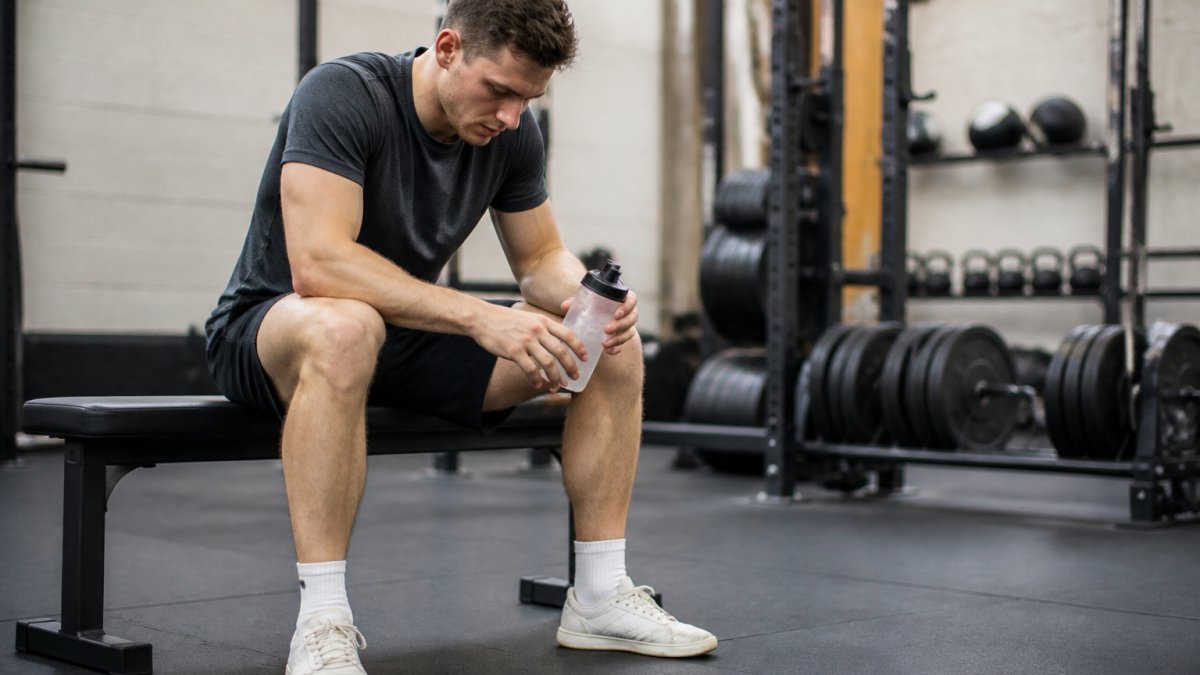
First steps:
- Stop consuming any additional caffeine right now
- Drink water slowly to support hydration and help flush your system
- Sit or lie down in a cool, quiet space
- Focus on slow, deep breathing to calm your nervous system
- Avoid strenuous activity until symptoms subside
If symptoms persist beyond 2-3 hours or worsen, seek medical attention. Severe symptoms like fainting, chest pain, or difficulty breathing require emergency care.
Most caffeine overdose cases resolve within 4-6 hours as your body metabolizes the stimulant. The discomfort is real but temporary. Resting, hydrating, and avoiding additional stimulation speeds recovery.
The prevention strategy: never increase your caffeine dose dramatically. If you want to try a higher dose, increase by 50 milligrams at a time and assess tolerance over multiple sessions. This gradual approach prevents the shock to your system that causes severe symptoms.
Safer Coffee Use for Peak Performance
Using coffee strategically means respecting the dose, timing, and your individual tolerance. Not every athlete benefits from caffeine. Some people are fast metabolizers who process it quickly. Others are slow metabolizers who feel effects for hours after consumption.
Your safest approach:
- Start with 100-150 mg per session
- Consume 45-60 minutes before training
- Track total caffeine from all sources
- Avoid caffeine 6-8 hours before sleep
- Increase dose only if you tolerate lower amounts well
- Reassess your tolerance every 4-6 weeks
Our Breakfast Blend + at Ed In Your Head provides a measured caffeine boost with the smooth, steady energy athletes need. Real coffee delivers performance benefits without the crash or jitters that disrupt focus.

The MVP Pack gives you options: six 2 oz bags of our best selling coffee for clean, steady energy, a stylish ceramic mug, and a tee to rep the movement. It's designed for athletes who want clean, natural caffeine without the guesswork.
What happens if athletes drink too much coffee doesn't have to derail your training. The risk is real, but it's preventable with proper dosing, timing, and awareness.
Frequently Asked Questions
What are the signs of too much coffee?
Common signs of excessive caffeine include jitteriness, anxiety, rapid heartbeat, headaches, and upset stomach. Athletes may also experience difficulty concentrating despite seeking alertness, sleep disruption, and muscle tremors. Severe cases can include dizziness or fainting. If you notice these symptoms after consuming coffee, stop intake immediately and drink water. Most symptoms resolve within 3-5 hours as caffeine is metabolized.
How much caffeine is too much for an athlete?
The FDA suggests 400 mg daily as safe for most adults, but athletes should aim lower. For competitive performance, 3-6 mg per kilogram of body weight taken 30-60 minutes before exercise is effective. A 70 kg athlete should limit pre-workout caffeine to 210-420 mg. However, individual tolerance varies based on genetics, medications, and regular caffeine use. Start with lower doses to assess your response before training or competition.
Can too much coffee cause dehydration during exercise?
Caffeine is a mild diuretic, meaning it increases urination, but the dehydration risk during exercise is often overstated. Moderate caffeine (under 400 mg daily) does not significantly impair hydration during workouts. However, excessive caffeine combined with intense exercise and inadequate water intake can worsen dehydration. Drink water consistently before, during, and after exercise regardless of caffeine consumption. If you consume high-dose caffeine, increase water intake accordingly.
What should an athlete do after drinking too much coffee?
Stop consuming caffeine immediately and drink plenty of water to help flush it from your system. Move to a calm environment to reduce anxiety and jitteriness. Avoid additional stimulants like energy drinks or more coffee. If symptoms persist beyond 5 hours or worsen (chest pain, severe dizziness, fainting), seek medical attention. For future training, track your total caffeine intake across all sources, coffee, energy drinks, pre-workout supplements, to stay within safe limits.