


Table of Contents
- Quick Comparison: Best Natural Pre-Workout Options
- What Makes a Natural Pre-Workout Work for Endurance
- Healthy Alternatives to Energy Drinks: Coffee and Beyond
- Benefits of Coffee for Endurance Performance
- How to Manage Caffeine Intake for Sports
- Top Natural Pre-Workout Picks for Endurance Athletes
- Common Mistakes and What to Ignore
- Frequently Asked Questions
Last Updated: September 27, 2026
Quick Comparison: Best Natural Pre-Workout Options
The best natural pre-workout for endurance athletes is fresh-roasted coffee, not a tub of powder. This guide from Ed In Your Head compares clean caffeine options that support steady energy without the crash that comes with sugary energy drinks.
Endurance athletes face a specific problem. Traditional pre-workout powders often pack synthetic stimulants, artificial sweeteners, and proprietary blends that hit hard and fade fast. For runners, cyclists, and anyone chasing cardiovascular endurance, that spike-and-crash pattern works against sustained output.
Below, we break down what actually fuels endurance, how caffeine timing changes the game, and which natural options earn a spot in your routine.
| Option | Format | Caffeine Style | Best For |
|---|---|---|---|
| Breakfast Blend + | Ground coffee | Medium roast with added robusta | Morning sessions, moderate boost |
| Max Caf Blend | Ground coffee | High-caffeine robusta blend | Long efforts, high intensity |
| Coffee with Mushrooms | Ground coffee | Specialty coffee plus functional mushrooms | Focus and balance |
| Instant Coffee with Mushroom | Instant powder | Quick-prep mushroom blend | Travel and convenience |
| Matcha | Powdered tea | Gentle, steady caffeine | Lighter, calmer energy |
What Makes a Natural Pre-Workout Work for Endurance
A natural pre-workout works for endurance when it supports blood flow, buffers muscle fatigue, and delivers caffeine without synthetic additives, but the difference between a formula that helps and one that wrecks your long run usually comes down to dose, timing, and how your gut handles it. The goal is sustained energy, not a short spike.

Four mechanisms matter most for endurance athletes, and each has a practical dose range you can check against a label or a food source.
Nitric oxide production and vasodilation. Better blood flow means more oxygen reaches working muscles. Dietary nitrate from beetroot juice is the most studied food source; commonly cited research doses land around 300 to 600 mg of nitrate (roughly two 70 mL beetroot shots) taken two to three hours before an effort. L-citrulline is the supplement-side equivalent, typically dosed at 6 to 8 grams of citrulline malate, or about 3 to 6 grams of pure L-citrulline, taken 60 minutes out. Below those ranges, most practitioners find the effect is negligible.
Lactic acid buffering. Beta-alanine helps delay the point where muscles fatigue during high-intensity efforts. It is not a pre-workout ingredient in the acute sense, it works through chronic loading. The standard protocol is 3.2 to 6.4 grams per day split into smaller doses over four to twelve weeks, because a single large dose causes paresthesia (the tingling sensation) without meaningful benefit. If a tub lists beta-alanine but not the gram amount, you cannot tell whether it is a real dose or label decoration.
Glycogen replenishment and nutrient timing. What you consume before training affects how long you can sustain output. For efforts over 90 minutes, a pre-session meal or drink delivering roughly 1 to 4 grams of carbohydrate per kilogram of body weight two to four hours out is a common starting point. Shorter sessions rarely need this, the caffeine and nitrate matter more.
Gut tolerance under exercise stress. This is the mechanism most guides skip. During hard or long efforts, blood is shunted away from the digestive tract toward working muscles, which slows gastric emptying and makes the gut far less forgiving than it is at rest. Ingredients that sit fine on the couch, high-dose citrulline, sugar alcohols like sorbitol and maltitol, inulin or chicory root fiber, and large boluses of beta-alanine, are common triggers for cramping, urgency, and nausea at mile 15. A natural label does not exempt a product from this. If anything, some "clean" formulas lean harder on fiber and sugar alcohols, which is exactly the wrong trade for a runner or cyclist.
Synthetic additives and artificial sweeteners do little for any of these pathways, and many athletes find that whole-food sources and clean caffeine deliver the same ergogenic benefits with fewer side effects. But the honest framing is this: the benefit lives in the dose and the timing, not in the word "natural" on the front of the package.
Healthy Alternatives to Energy Drinks: Coffee and Beyond
Coffee is the most practical healthy alternative to energy drinks for most athletes. It delivers clean caffeine, costs less per serving, and comes without the sugar load.
Energy drinks typically combine caffeine with sugar, taurine, and a long list of additives. The result is a fast rise and an equally fast drop. Coffee behaves differently.
Other options worth trying:
- Matcha: Provides caffeine alongside l-theanine, which many people find smooths out the jittery edge.
- Beetroot extract: Supports nitric oxide production and blood flow, though it will not replace caffeine.
- Electrolyte blends: Useful for hydration and electrolyte balance on longer efforts, not as a stimulant.
Benefits of Coffee for Endurance Performance
Coffee improves endurance performance primarily by reducing perceived effort and supporting metabolic efficiency. It helps you hold a given pace while feeling like you are working less.

- No added sugar: A plain cup has essentially none, unlike most energy drinks.
- Bioavailability: Caffeine from coffee is absorbed efficiently, with effects felt within roughly 30 to 60 minutes.
- Flexibility: You can adjust strength by choosing a lighter or higher-caffeine blend.
How to Manage Caffeine Intake for Sports
- A 55 kg (121 lb) athlete: 165 to 330 mg
- A 70 kg (154 lb) athlete: 210 to 420 mg
- A 85 kg (187 lb) athlete: 255 to 510 mg
- A 100 kg (220 lb) athlete: 300 to 600 mg
Sleep is part of the protocol. Caffeine taken within six hours of bedtime measurably degrades sleep quality in most people, and poor sleep undermines the very training adaptation you are trying to support. If your session is in the evening, either keep the dose small or accept that you are trading tomorrow's recovery for today's output.
Top Natural Pre-Workout Picks for Endurance Athletes
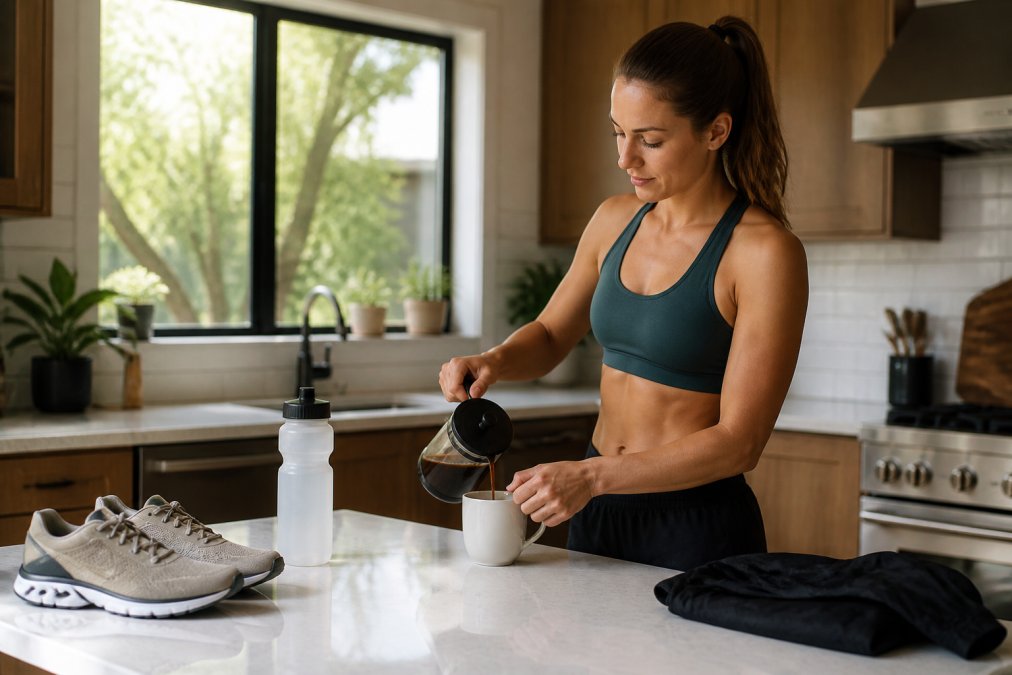
The best natural pre-workout for endurance athletes depends on your session length, your caffeine tolerance, and how much prep time you have. These picks from Ed In Your Head cover the range.
Common Mistakes and What to Ignore
The biggest mistake athletes make is chasing stimulant-free marketing claims while ignoring total caffeine dose. A product can be natural and still deliver more caffeine than you need.
Watch for these traps:
- Proprietary blends: If the label hides individual ingredient amounts, you cannot judge the dose. Skip it.
- Underdosing functional ingredients: Small amounts of beetroot or beta-alanine do little. Effective doses are often larger than a scoop provides.
- Ignoring third-party certification: Independent testing confirms what is actually in the tub. Without it, you are trusting the label.
- Treating natural as automatically safe: Natural stimulants still raise heart rate and can disrupt sleep if taken too late.
Frequently Asked Questions
What is the best natural pre-workout for endurance athletes?
The best natural pre-workout for endurance athletes is freshly brewed coffee from a high-quality roast, consumed 30 to 60 minutes before training. Coffee provides caffeine that increases alertness and reduces perceived effort without artificial additives or added sugar. For longer sessions, pair it with a small carbohydrate snack. Options like Breakfast Blend + from Ed In Your Head deliver clean caffeine and are roasted fresh to order.
Do endurance athletes need pre-workout supplements?
Endurance athletes do not need pre-workout supplements to perform well, but a natural pre-workout can help with focus, energy, and perceived effort during long sessions. Whole foods and coffee often provide enough support. If you choose a supplement, look for third-party testing and avoid proprietary blends. Many athletes find that a simple cup of coffee before training is enough to feel sharp without jitters or a crash.
Is coffee a good natural pre-workout for runners?
Yes, coffee is one of the most researched natural pre-workouts for runners. Caffeine can improve endurance, reaction time, and mental focus. A moderate dose of 200 to 300 mg about 45 minutes before a run works for many athletes. Freshly roasted coffee also tastes better and avoids the artificial sweeteners and synthetic additives found in many energy drinks. Just watch your total daily caffeine intake.
What ingredients should endurance athletes look for in a natural pre-workout?
Look for caffeine from coffee or tea, electrolytes for hydration, and optionally beetroot extract or l-citrulline for blood flow. Avoid proprietary blends that hide doses. Third-party certification and a clean label matter. For most endurance athletes, coffee alone covers the caffeine need. If you want extra support, add a pinch of salt to your water or eat a banana for potassium before long efforts.
How does caffeine affect endurance performance?
Caffeine can improve endurance performance by reducing perceived exertion and increasing alertness. It works best at moderate doses of 3 to 6 mg per kg of body weight taken 30 to 60 minutes before exercise. Higher doses do not necessarily help and can cause jitters or stomach issues. Managing caffeine intake for sports means tracking total daily use and cycling off occasionally to keep sensitivity high.
Endurance fueling should not require a chemistry degree or a gamble on mystery blends. If you want clean caffeine that supports steady output without the sugar crash, Ed In Your Head roasts fresh for every order and offers blends built for athletes, from the high-caffeine Max Caf Blend to the mushroom-infused options that support stamina and focus. Find your fuel and build a pre-workout routine you can trust on race day.